Quick Appointment
Make Quick Appointment

Surgical Gastroenterology Department
Home / Surgical Gastroenterology Department

Surgical Gastroenterology
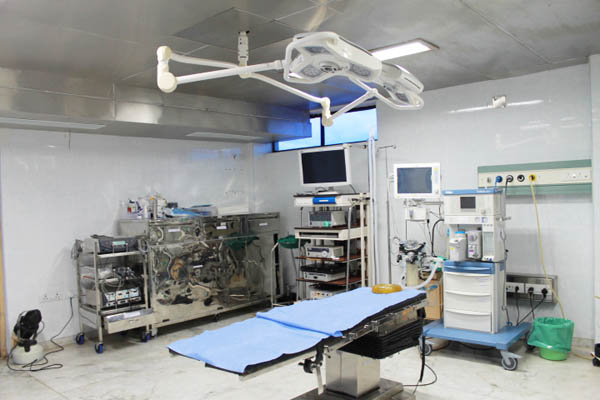
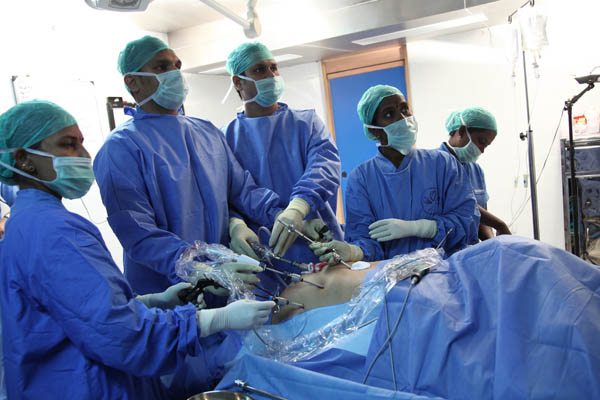
Surgical gastroenterology department is headed by Dr.Gokul Kruba Shankar. He and his team effectively manage major gastrointestinal surgical problems.
Which predominantly involve
Liver
- Hepatocellular Carcinoma (Primary Liver Cancer)
- Liver Cysts
- Liver Metastases (Secondary Liver Cancer)
Biliary Tract
- Bile Duct Cancer (Cholangiocarcinoma)
Small Intestine
- Small Intestine Cancer
Soft Tissue Sarcoma
- Gastrointestinal Stromal Tumor (GIST)
Stomach
- Gastric (Stomach) Cancer
Gastrointestinal (GI)
- Enterocutaneous Fistula
- Gastrointestinal Carcinoid Tumors
Esophageal
- Achalasia
- Barrett's Esophagus
- Esophageal Cancer
- Gastroesophageal Reflux Disease (GERD)
Pancreas
- Acute Pancreatitis
- Ampullary Cancer
- Chronic Pancreatitis
- Pancreatic Cancer
- Pancreatic Cysts
- Pancreatic Neuroendocrine (Islet Cell) Tumors
- Pancreatic Pseudocysts
Gallbladder
- Gallbladder Cancer
- Gallstones (Cholelithiasis)
Hernia
- An Overview of Hernias
- Complex Abdominal Wall Hernias
- Epigastric & Umbilical Hernias
- Femoral (Thigh) Hernia
- Flank (Lumbar) Hernia
- Giant Abdominal Wall Hernia
- Inguinal Hernia
- Parastomal Hernia
- Recurrent Hernia
- Spigelian Hernia
- Ventral (Incisional) Hernia
Surgical Gastroenterology
Frequently Asked Questions
Surgical Gastroenterology deals with the diagnosis and surgical treatment of diseases affecting the digestive organs such as the esophagus, stomach, intestines, liver, pancreas, and gallbladder.
They manage conditions like gallstones, hernias, gastrointestinal cancers, pancreatic disorders, liver tumors, colorectal diseases, and complications from ulcers or perforations.
You should see one if you have persistent abdominal pain, difficulty swallowing, blood in stool, jaundice, recurrent vomiting, or have been advised surgery for any digestive condition.
Common procedures include laparoscopic gallbladder removal, hernia repair, colorectal surgery, pancreatic surgery, gastric cancer surgery, and liver resections.
Laparoscopic surgery is a minimally invasive technique performed through small incisions using a camera and special instruments, leading to faster recovery and less pain.
It offers smaller scars, less pain, shorter hospital stay, quicker recovery, and reduced risk of infection compared to open surgery.
Most patients can return to normal activities within 1–2 weeks, depending on the type of procedure and individual healing.
Not always. Many digestive diseases can be managed with medication and lifestyle changes. Surgery is recommended only when necessary.
Symptoms include severe upper abdominal pain, nausea, vomiting, and discomfort after fatty meals. Surgery (laparoscopic cholecystectomy) is the definitive treatment.
Hernia repair involves returning the displaced tissue to its normal position and reinforcing the weakened muscle wall using sutures or mesh.
Yes. Early detection allows successful surgical removal of tumors from the stomach, colon, pancreas, or liver. Advanced techniques improve recovery and outcomes.
Your doctor will advise fasting before surgery, stopping certain medications, and completing necessary blood tests and imaging studies.
Follow your surgeon's advice on diet, wound care, medications, and physical activity. Avoid lifting heavy objects and attend follow-up appointments regularly.
Yes. Comprehensive screening, surgery, chemotherapy coordination, and long-term follow-up care are available for gastrointestinal cancers.