Quick Appointment
Make Quick Appointment

Oncology Department
Home / Oncology Department
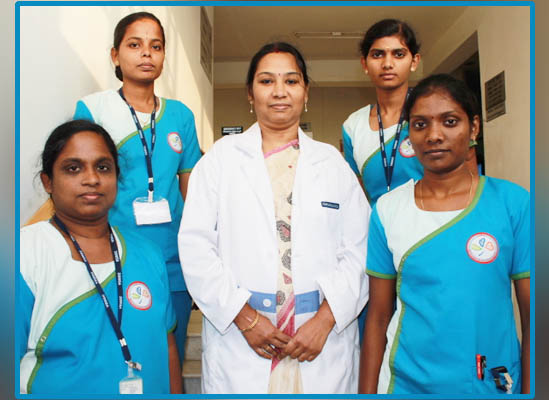
We at VGM Health Care Centre have Medical Oncology Department. Dr .K.B.Akila M.D RT, D.M Medical Oncology is our Medical oncologist. In Our hospital we take care of all types of cancer- both solid and Hematological tumors and at all ages. The facilities available in our hospital are Day care Chemotherapy ward. We have trained Staff nurses who are dedicated exclusively for Oncology Department. We also advice ChemoPort for our patients who do not like to be pricked during every cycle of chemotherapy. We also take care of end stage patients and relieve their pain.
Have Questions?
Frequently Asked Questions
What is Oncology?
Oncology is the branch of medicine that focuses on the diagnosis, treatment, and prevention of cancer.
What does an oncologist do?
An oncologist diagnoses cancer, plans treatment (such as chemotherapy, radiotherapy, or surgery), and monitors patients during and after treatment.
What are the common types of cancer treated?
Common cancers include breast, lung, colon, prostate, cervical, head and neck, stomach, liver, and blood cancers (like leukemia and lymphoma).
What are the early signs of cancer?
Early symptoms may include unexplained weight loss, persistent fatigue, unusual lumps, prolonged cough, changes in bowel or bladder habits, and bleeding without cause.
How is cancer diagnosed?
Diagnosis may involve blood tests, imaging scans (CT, MRI, PET-CT), endoscopy, and biopsy — which confirms the presence of cancer cells.
What are the main treatment options for cancer?
Treatment may include surgery, chemotherapy, radiotherapy, targeted therapy, immunotherapy, or a combination of these methods based on the cancer type and stage.
Is cancer curable?
Many cancers are curable, especially when detected early. Advances in treatment have greatly improved survival rates and quality of life.
What causes cancer?
Cancer can result from genetic mutations, smoking, alcohol, obesity, exposure to radiation or chemicals, infections (like HPV or Hepatitis B), and family history.
How can I reduce my risk of developing cancer?
Avoid tobacco and alcohol, eat a healthy diet, exercise regularly, maintain a healthy weight, get vaccinated (HPV, Hepatitis B), and attend regular health screenings.
What is chemotherapy?
Chemotherapy is the use of medicines to destroy cancer cells. It may be given by injection, orally, or through an intravenous line.
What are the common side effects of chemotherapy?
Side effects can include fatigue, nausea, hair loss, decreased immunity, and loss of appetite — but these are manageable and temporary.
What is radiation therapy?
Radiation therapy uses high-energy rays to destroy or shrink cancer cells. It's a targeted treatment that minimizes damage to surrounding healthy tissue.
What is immunotherapy and targeted therapy?
These are advanced treatments that help the body's immune system fight cancer or target specific molecules involved in cancer growth.
How important is early detection of cancer?
Early detection greatly increases the chance of successful treatment. Regular screenings like mammograms, Pap smears, and colonoscopies can help detect cancer early.
Does the hospital provide comprehensive cancer care?
Yes. The Oncology Department offers complete cancer care including screening, diagnosis, surgery, chemotherapy, radiation therapy, counseling, and long-term follow-up.